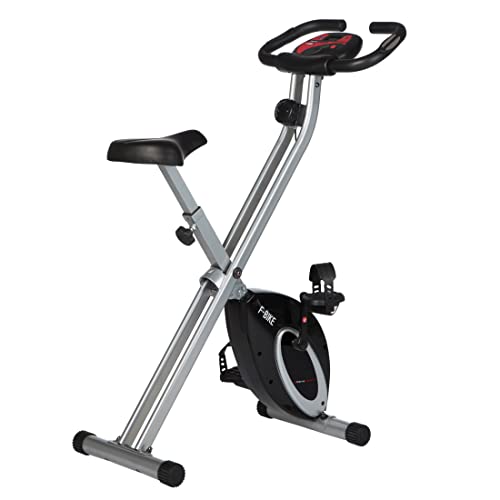
Leg Exercise Machine
Add a review FollowOverview
-
Founded Date October 11, 1936
-
Posted Jobs 0
-
Viewed 7
Company Description
10 Inspiring Images About Exercise Cycles
Understanding Exercise Cycles: Your Guide to Effective Workouts
Intro
Exercise cycles, typically referred to as workout cycles or training cycles, incorporate various structured plans created to optimize physical fitness and efficiency. These cycles are important for professional athletes and fitness enthusiasts aiming to balance their training regimens successfully, guaranteeing they target different fitness components while boosting overall efficiency. This article will dive into the numerous kinds of exercise cycles, the parts that specify them, their benefits, and how to produce a plan that lines up with private fitness objectives.
What are Exercise Cycles?
Exercise Bike Home cycles normally include distinct stages concentrated on specific fitness objectives, including strength building, endurance, speed, or recovery. These phases, when well-structured, permit individuals to achieve peak efficiency while lessening the danger of injury and overtraining.
Secret Components of Exercise Cycles
-
Periodization: This describes the organized planning of athletic or physical training. It involves dividing a training year into particular blocks or stages to optimize performance gains while handling tiredness and healing.
-
Stages of Training:
- Preparation Phase: Focuses on constructing a structure of strength and endurance.
- Building Phase: Targets more particular strengths and endurance adjustments.
- Peak Phase: Optimizes performance and is typically approached close to competitors time.
- Recovery Phase: Allows the body to recuperate, preventing burnout and injuries.
-
Microcycles: Each training cycle is normally broken down into smaller sized cycles (microcycles), typically lasting a week. These microcycles will differ in intensity, volume, and particular focus.
Kinds Of Exercise Cycles
Here’s a breakdown of some widely acknowledged exercise cycles:
1. Linear Periodization
This standard design slowly increases strength while reducing volume over a training period. It is often used by athletes preparing for competitors and consists of unique phases, each targeting various physical qualities.
Advantages:
- Predictable results.
- Strong structure for newbies.
Disadvantages:
- May absence flexibility to adapt to unexpected changes in objectives or physical conditions.
2. Swelling Periodization
This model is more flexible compared to direct periodization, rotating between different training strengths and volumes on a weekly and even day-to-day basis.
Benefits:
- Greater range in exercises.
- Decreased risk of plateauing.
Downsides:
- Requires cautious planning to prevent overwork.
3. Block Periodization
Common in elite training protocols, block periodization divides training into distinct blocks concentrated on specific objectives, alternating between strength, hypertrophy, and endurance.
Benefits:
- Highly particular and targeted training.
- Permits maximum efficiency within short durations.
Disadvantages:
- Requires significant experience and understanding of personal limits.
4. Conjugate Method
This technique includes several training objectives at the same time, such as strength, speed, and hypertrophy, within a single cycle.
Advantages:
- Efficient for professional athletes with multiple training needs.
- Can decrease monotony in exercises.
Disadvantages:
- Complicated to prepare successfully.
- Risk of insufficient concentrate on specific areas.
Advantages of Exercise Cycles
Including exercise cycles into a training program has several advantages:
- Improved Adaptation: Structured cycles enable the body to adjust and prevent stagnation by regularly providing new difficulties.
- Injury Prevention: By consisting of healing and varied strength, exercise cycles lower the threat of overuse injuries.
- Improved Performance: Cycles promote peak performance by allowing for tactical training loads and recovery periods.
- Focused Goals: Each phase can target particular outcomes, making it possible for better tracking of development and inspiration.
How to Create an Effective Exercise Cycle
Creating a reliable exercise cycle comes down to comprehending private goals, fitness level, and lifestyle. Below are actions to establish your cycle:
- Define Clear Goals: Whether going for fat loss, muscle gain, or improved endurance, clarity on objectives is essential.
- Assess Current Fitness Level: Take stock of your existing fitness status to create a sensible strategy.
- Select the Right Type of Cycle: Based on objectives and competence, choose a suitable kind of exercise cycle.
- Strategy Phases: Outline the preparation, structure, peak, and healing stages, with distinct focus and structure for each.
- Include Variation: Regularly modify workouts, strengths, and training modalities to avoid dullness and improve adaptation.
- Screen Progress: Keep track of workouts and results, updating the strategy as required based upon efficiency and feedback.
FAQs about Exercise Cycles
Q1: How frequently need to I alter my exercise cycle?It is a good idea to revisit or alter your cycle every 4-8 weeks, depending upon your progress and response to the program. Q2: Can beginners benefit from exercise cycles?Yes! Beginners can gain from structured cycles by gradually increasing their abilities and concentrating on foundational abilities and strength. Q3: What must I do during recovery phases?During healing stages, take part in lighter activities such as yoga, moderate
cardio, and extending to promote recovery without intense effort. Q4: How do I know what type of exercise cycle to choose?It frequently depends on your experience level, main fitness goals, and personal preferences. Consulting with a fitness professional can help customize a cycle suitable for you. Comprehending and making use of exercise cycles can significantly improve exercise efficiency and overall fitness development. By acknowledging the various kinds of cycles, their elements, and the approaches employed
in planning exercises, individuals are much better equipped to achieve their fitness goals while also focusing on recovery and injury avoidance. Whether one is a skilled athlete or a newbie, exercise cycles provide a structured technique that is necessary for taking full advantage of possible and maintaining inspiration throughout the fitness journey.