

England Nhs
Add a review FollowOverview
-
Founded Date November 19, 2017
-
Posted Jobs 0
-
Viewed 404
Company Description
NHS: Belonging in White Corridors
In the sterile corridors of Birmingham Women’s and Children’s NHS Foundation Trust, a young man named James Stokes carries himself with the measured poise of someone who has found his place. His polished footwear barely make a sound as he exchanges pleasantries with colleagues—some by name, others with the comfortable currency of a “how are you.”
James carries his identification not merely as institutional identification but as a symbol of belonging. It sits against a well-maintained uniform that offers no clue of the difficult path that brought him here.
What sets apart James from many of his colleagues is not obvious to the casual observer. His presence discloses nothing of the fact that he was among the first beneficiaries of the NHS Universal Family Programme—an initiative created purposefully for young people who have experienced life in local authority care.
“The Programme embraced me when I needed it most,” James says, his voice measured but carrying undertones of feeling. His observation encapsulates the core of a programme that strives to revolutionize how the vast healthcare system approaches care leavers—those frequently marginalized young people aged 16-25 who have emerged from the care system.

The numbers paint a stark picture. Care leavers commonly experience higher rates of mental health issues, money troubles, shelter insecurities, and reduced scholarly attainment compared to their contemporaries. Underlying these impersonal figures are individual journeys of young people who have traversed a system that, despite good efforts, often falls short in delivering the stable base that shapes most young lives.
The NHS Universal Family Programme, initiated in January 2023 following NHS England’s pledge to the Care Leaver Covenant, signifies a substantial transformation in institutional thinking. Fundamentally, it acknowledges that the entire state and civil society should function as a “collective parent” for those who haven’t experienced the security of a traditional family setting.
A select group of healthcare regions across England have blazed the trail, establishing systems that reimagine how the NHS—one of Europe’s largest employers—can create pathways to care leavers.
The Programme is detailed in its methodology, initiating with comprehensive audits of existing practices, establishing oversight mechanisms, and garnering leadership support. It understands that meaningful participation requires more than lofty goals—it demands concrete steps.
In NHS Birmingham and Solihull ICB, where James started his career, they’ve developed a reliable information exchange with representatives who can offer support, advice, and guidance on personal welfare, HR matters, recruitment, and equality, diversity, and inclusion.
The conventional NHS recruitment process—structured and potentially intimidating—has been thoughtfully adapted. Job advertisements now highlight character attributes rather than long lists of credentials. Application processes have been redesigned to consider the specific obstacles care leavers might experience—from lacking professional references to having limited internet access.
Maybe most importantly, the Programme acknowledges that entering the workforce can present unique challenges for care leavers who may be managing independent living without the support of family resources. Matters like travel expenses, identification documents, and banking arrangements—considered standard by many—can become substantial hurdles.
The brilliance of the Programme lies in its meticulous consideration—from explaining payslip deductions to offering travel loans until that crucial first wage disbursement. Even seemingly minor aspects like rest periods and professional behavior are deliberately addressed.
For James, whose professional path has “transformed” his life, the Programme provided more than employment. It offered him a perception of inclusion—that intangible quality that grows when someone senses worth not despite their history but because their distinct perspective enriches the organization.
“Working for the NHS isn’t just about doctors and nurses,” James comments, his eyes reflecting the subtle satisfaction of someone who has found his place. “It’s about a community of different jobs and roles, a family of people who genuinely care.”
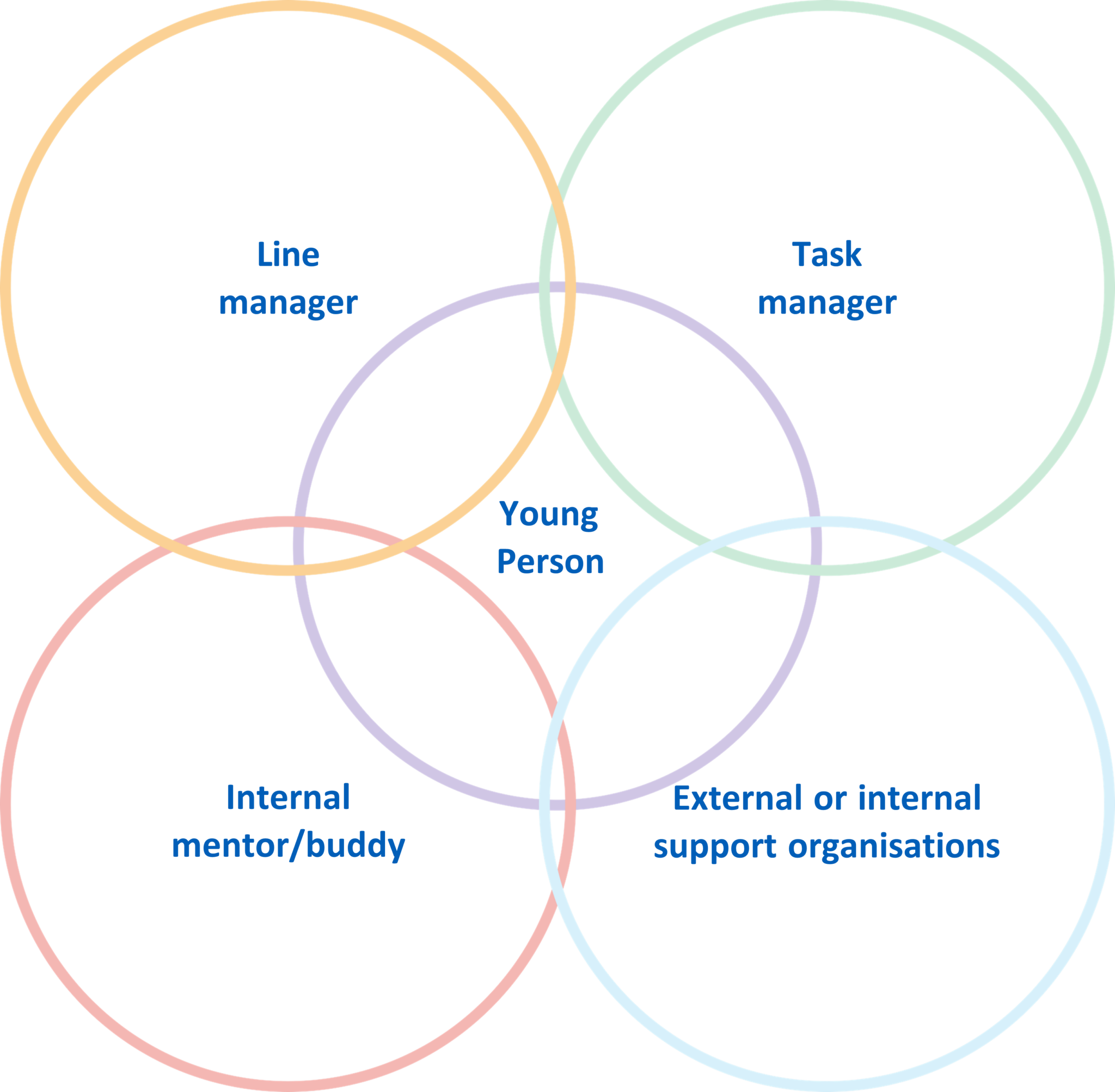
The NHS Universal Family Programme exemplifies more than an work program. It stands as a bold declaration that systems can adapt to welcome those who have experienced life differently. In doing so, they not only change personal trajectories but improve their services through the special insights that care leavers contribute.
As James moves through the hospital, his participation silently testifies that with the right support, care leavers can succeed in environments once deemed unattainable. The arm that the NHS has offered through this Programme signifies not charity but acknowledgment of untapped potential and the essential fact that each individual warrants a community that supports their growth.