
Hnycareershub
Add a review FollowOverview
-
Founded Date February 13, 2021
-
Posted Jobs 0
-
Viewed 362
Company Description
NHS: The Family They Never Had

Among the organized chaos of medical professionals in Birmingham, a young man named James Stokes navigates his daily responsibilities with subtle confidence. His oxford shoes whisper against the floor as he acknowledges colleagues—some by name, others with the universal currency of a “hello there.”
James displays his credentials not merely as an employee badge but as a declaration of belonging. It sits against a pressed shirt that gives no indication of the difficult path that led him to this place.
What distinguishes James from many of his colleagues is not immediately apparent. His demeanor reveals nothing of the fact that he was among the first recruits of the NHS Universal Family Programme—an effort created purposefully for young people who have spent time in care.
“The Programme embraced me when I needed it most,” James explains, his voice controlled but tinged with emotion. His statement summarizes the heart of a programme that seeks to transform how the vast healthcare system approaches care leavers—those frequently marginalized young people aged 16-25 who have transitioned from the care system.
The statistics tell a troubling story. Care leavers frequently encounter poorer mental health outcomes, economic uncertainty, housing precarity, and diminished educational achievements compared to their peers. Underlying these cold statistics are human stories of young people who have navigated a system that, despite genuine attempts, regularly misses the mark in delivering the nurturing environment that forms most young lives.
The NHS Universal Family Programme, established in January 2023 following NHS England’s pledge to the Care Leaver Covenant, signifies a significant change in institutional thinking. At its heart, it recognizes that the complete state and civil society should function as a “universal family” for those who haven’t known the constancy of a conventional home.
Ten pathfinder integrated care boards across England have blazed the trail, creating structures that reimagine how the NHS—one of Europe’s largest employers—can create pathways to care leavers.
The Programme is detailed in its methodology, starting from detailed evaluations of existing procedures, creating oversight mechanisms, and garnering leadership support. It recognizes that meaningful participation requires more than lofty goals—it demands tangible actions.
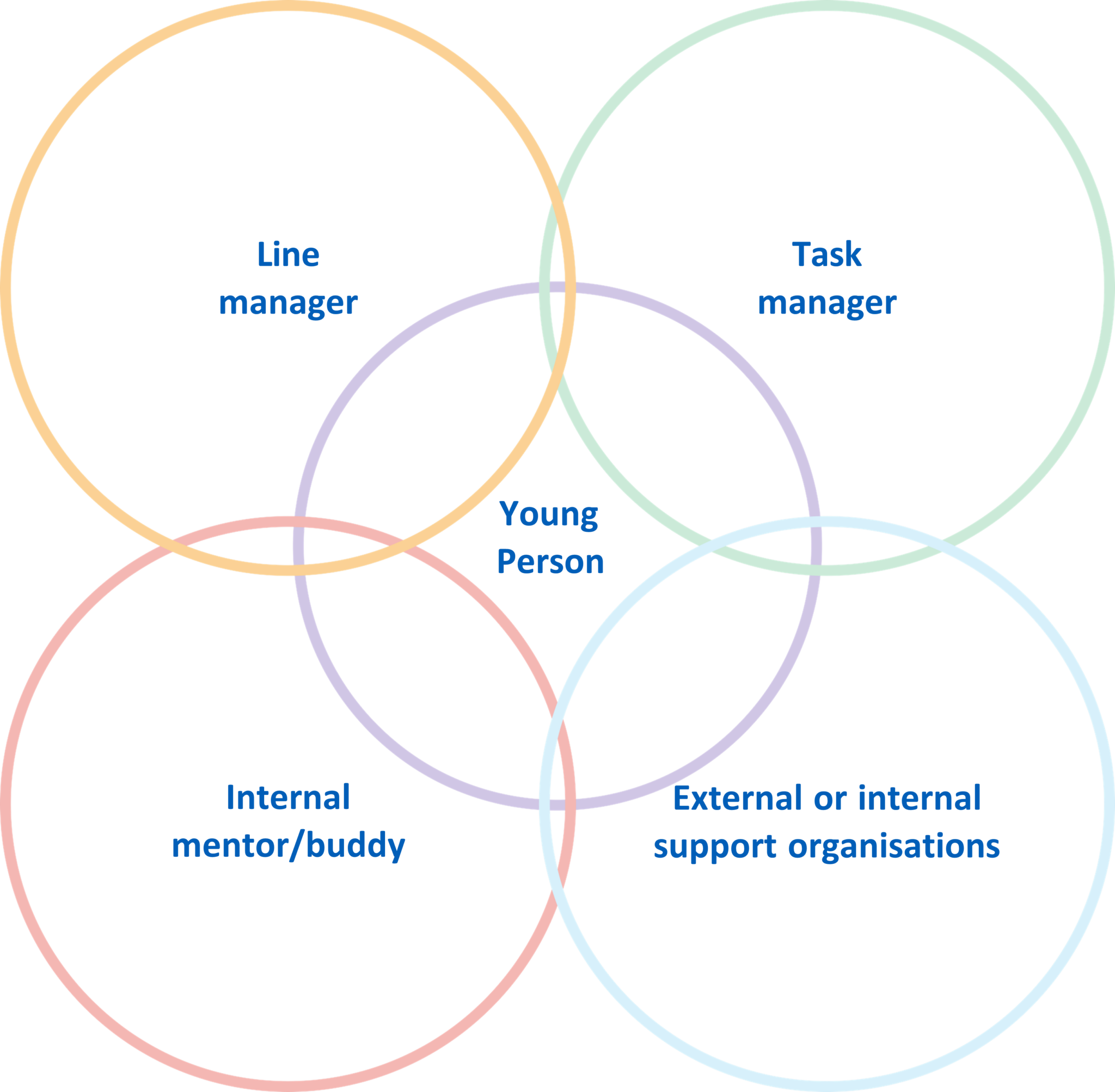
In NHS Birmingham and Solihull ICB, where James found his footing, they’ve created a consistent support system with representatives who can provide assistance and counsel on mental health, HR matters, recruitment, and inclusivity efforts.
The conventional NHS recruitment process—formal and potentially intimidating—has been intentionally adjusted. Job advertisements now highlight personal qualities rather than long lists of credentials. Application procedures have been reconsidered to consider the particular difficulties care leavers might face—from lacking professional references to facing barriers to internet access.
Perhaps most significantly, the Programme recognizes that beginning employment can pose particular problems for care leavers who may be handling self-sufficiency without the backup of familial aid. Issues like travel expenses, proper ID, and banking arrangements—taken for granted by many—can become major obstacles.
The beauty of the Programme lies in its thorough planning—from explaining payslip deductions to providing transportation assistance until that essential first wage disbursement. Even apparently small matters like break times and professional behavior are deliberately addressed.
For James, whose professional path has “revolutionized” his life, the Programme delivered more than a job. It provided him a feeling of connection—that intangible quality that develops when someone feels valued not despite their past but because their distinct perspective enhances the organization.
“Working for the NHS isn’t just about doctors and nurses,” James notes, his expression revealing the subtle satisfaction of someone who has found his place. “It’s about a family of different jobs and roles, a family of people who truly matter.”
The NHS Universal Family Programme embodies more than an work program. It stands as a strong assertion that organizations can adapt to embrace those who have navigated different paths. In doing so, they not only transform individual lives but enhance their operations through the distinct viewpoints that care leavers contribute.
As James walks the corridors, his involvement subtly proves that with the right assistance, care leavers can flourish in environments once deemed unattainable. The arm that the NHS has extended through this Programme signifies not charity but acknowledgment of overlooked talent and the essential fact that each individual warrants a support system that believes in them.