

Window & Door
Add a review FollowOverview
-
Founded Date February 19, 1988
-
Posted Jobs 0
-
Viewed 1
Company Description
The Hidden Secrets Of Upvc Windows And Doors
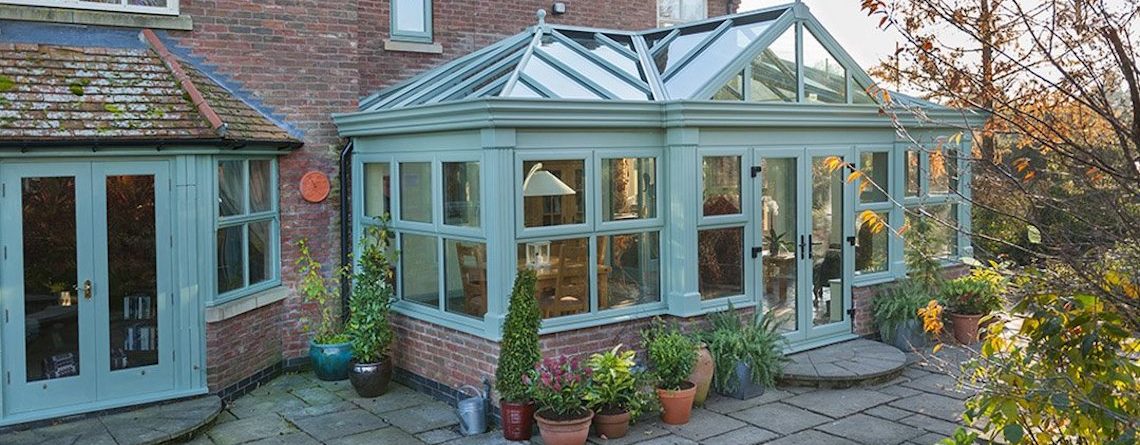
Understanding UPVC Windows and Doors: A Comprehensive Guide
UPVC (Unplasticized Polyvinyl Chloride) doors and Windows & doors company have gathered considerable attention over the previous couple of decades, becoming a popular option amongst house owners and home builders alike. Known for their sturdiness, energy performance, and low maintenance requirements, UPVC products use a number of advantages over standard products like wood or metal. This short article will look into the benefits, features, installation procedures, and upkeep ideas associated with UPVC doors and windows.
What is UPVC?
UPVC represents Unplasticized Polyvinyl Chloride, a kind of stiff plastic that is frequently used in building. Unlike PVC, UPVC does not contain plasticizers, making it more robust and long lasting. This product has actually become a staple in the window and door market due to its properties such as weather condition resistance, thermal insulation, and soundproofing abilities.

Secret Features of UPVC Windows and Doors
Before considering UPVC windows and doors, it’s necessary to comprehend their crucial features:
1. Durability and Longevity
UPVC products are resistant to rot, corrosion, and fading. Unlike wood, they do not warp or fracture due to weather modifications, ensuring years of trouble-free use.
2. Energy Efficiency
UPVC windows and doors boast exceptional insulation homes, minimizing energy costs by decreasing heat transfer. This can cause a more comfy indoor environment and substantial cost savings on heating and cooling costs.
3. Low Maintenance Requirements
One of the primary tourist attractions of UPVC is its low upkeep nature. Cleaning up includes just soap and water, without any requirement for painting or sealing.
4. Security Features
Modern UPVC doors and windows come geared up with advanced locking systems and multi-point locks, improving the security of homes.
5. Visual Flexibility
UPVC windows and doors are offered in numerous styles, colors, and finishes, allowing house owners to pick designs that complement their architecture.
6. Eco-friendly
UPVC can be recycled without losing its structural homes, contributing favorably to environmental sustainability.
Table: Comparison of UPVC with Other Materials
| Feature | UPVC | Wood | Aluminum |
|---|---|---|---|
| Sturdiness | High | Moderate | High |
| Energy Efficiency | Outstanding | Moderate | Excellent |
| Upkeep Level | Low | High | Moderate |
| Cost | Cost-Effective | More Expensive | Moderate to Expensive |
| Aesthetic Options | Comprehensive | Natural Variations | Modern Appeal |
| Environmental Impact | Recyclable | Sustainable (however not recyclable) | Recyclable (however energy-intensive) |
Installation Process for UPVC Windows and Doors
The installation of UPVC windows and doors is a vital process that needs accuracy and expertise. Here is a detailed guide:
- Measurement: Accurate measurements are essential for selecting the right-sized UPVC window or door.
- Removal of Old Windows/Doors: If replacing, the old windows or doors must be carefully eliminated to avoid damaging the surrounding walls.
- Preparation of the Opening: Ensure that the opening is tidy, dry, and structurally noise. Inspect for leaks or drafts that might lead to complications.
- Installation of Window/Door Frame: The UPVC frame is fitted into the opening, guaranteeing it is leveled and plumb.
- Sealing: A suitable sealant, normally silicone-based, is used around the area between the frame and the wall to prevent air and water seepage.
- Fitting Windows/Doors: The glazing systems are contributed to the frames, and doors are hung utilizing proper hinges.
- Final Checks: Operate all windows and doors to ensure they open, close, and lock efficiently. Inspect for any gaps or leaks.
Upkeep Tips for UPVC Products
Preserving UPVC doors and windows is straightforward and requires very little effort. Here are some crucial upkeep ideas:
- Clean Regularly: Use warm, soapy water to clean up the frames and glass a minimum of two times a year.
- Examine Seals and Gaskets: Regularly check the seals and gaskets for any indications of wear and tear. Change if necessary.
- Lube Locks and Hinges: Apply a silicone spray lube to locks and hinges to preserve smooth functionality.
- Clear Drainage Slots: Ensure that drainage slots (if present) are complimentary from debris for reliable water expulsion.
Regularly Asked Questions (FAQs)
Q1: Are UPVC windows energy-efficient?
Yes, UPVC windows have exceptional insulation properties, significantly reducing heat loss during winter and keeping homes cool in summertime, adding to lower energy expenses.
Q2: Do UPVC windows featured a guarantee?
A lot of UPVC window manufacturers provide guarantees that normally vary from 5 to 20 years, covering manufacturing defects and efficiency.
Q3: Can UPVC windows be painted?
It’s typically not a good idea to paint UPVC windows as it can void warranties. Rather, think about choosing a color that fits your home when purchasing.
Q4: Are UPVC doors secure?
UPVC doors feature multi-point locking systems that supply improved security. They are typically tested to fulfill stringent security requirements.
Q5: How long do UPVC windows and doors last?
With appropriate maintenance, UPVC windows and doors can last for 20 to 30 years or perhaps longer.
UPVC windows and doors offer a resilient, energy-efficient, and low-maintenance solution for contemporary property owners. With their various designs and advanced features, they are not only functional but also boost the visual appeal of homes. Comprehending their benefits and correct setup approaches is essential for making notified choices. Whether considering new installations or replacements, UPVC products can offer long-lasting value and comfort.
In an era where sustainability and cost-effectiveness are vital, UPVC windows and doors continue to be a preferred option, contributing favorably to both individual livelihoods and more comprehensive ecological objectives.